


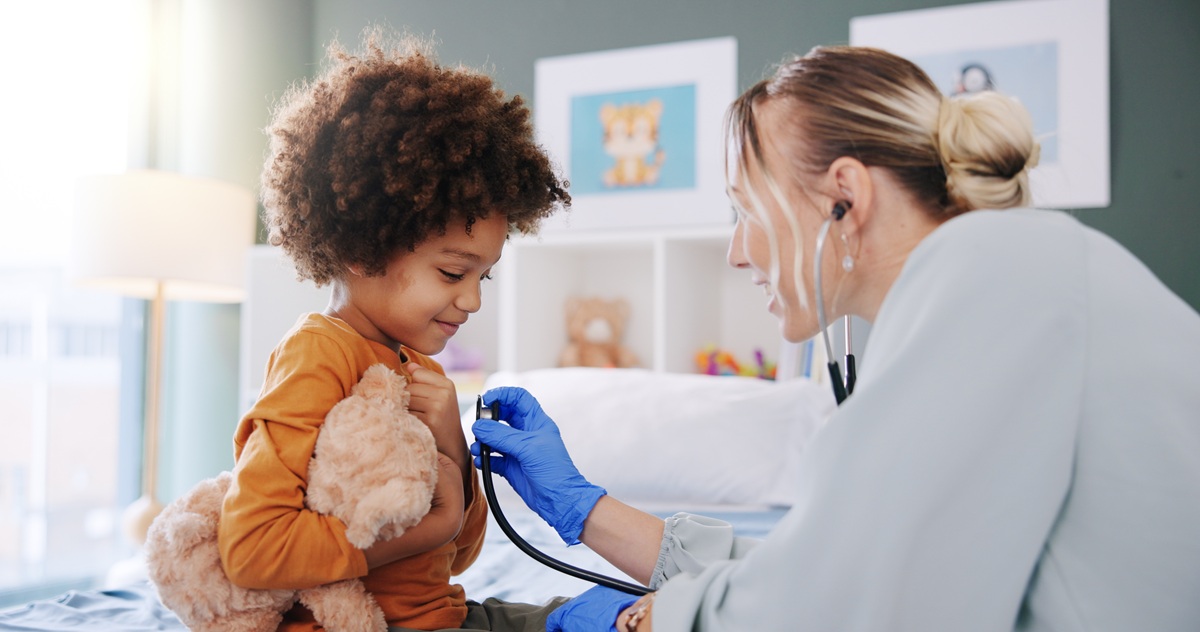
When a child requires specialized medical care, parenting can become significantly more demanding. Daily life may involve managing medications, medical equipment, constant monitoring, and emotional stress. Balancing this level of care with work, family responsibilities, and personal well-being can feel overwhelming. This is where medical daycare for children becomes an important source of support. A medical daycare center provides reliable medical care during the day while helping ease the daily demands placed on families. Unlike traditional daycare, which is not equipped to manage complex medical needs, medical daycare is specifically designed for medically fragile children. These centers address children’s medical, developmental, and emotional needs in a supportive environment. Below, we explore how medical daycare for children improves the quality of life for children with complex medical needs.
1. Enhancing Children’s Wellbeing
A child’s well-being includes emotional comfort and mental stimulation, not just medical care. Medical daycare focuses on the child’s overall development. In this setting, children are cared for by trained nurses and caregivers who monitor their health throughout the day. Medication administration, feeding support, respiratory care, and emergency response are handled by experienced professionals. This reduces health risks and helps children feel safe and secure. When children feel physically protected, they are more open to learning and engaging with their surroundings. Over time, consistent care supports confidence, comfort, and overall quality of life.
2. Supporting Physical Development
Many medically fragile children experience challenges with mobility, muscle strength, or coordination. Medical daycare supports physical development through structured, gentle routines. Children may receive physical therapy as part of their day. Guided movement, stretching, and play-based activities help improve strength and flexibility. Because therapy is integrated into daily routines, it feels natural rather than overwhelming. Caregivers adjust activities based on each child’s abilities and energy levels, encouraging progress without causing strain. With regular support, children can improve physical function and independence over time.
3. Encouraging Emotional and Cognitive Growth
Children with medical needs may sometimes feel isolated or different from their peers. Medical daycare supports emotional and cognitive development in a nurturing setting. Daily schedules include age-appropriate activities such as storytelling, music, puzzles, and sensory play. These activities encourage thinking, memory, and problem-solving skills while allowing children to learn at their own pace. Emotionally, children benefit from being in an environment where caregivers understand their needs. Staff explain procedures calmly, offer reassurance, and provide comfort when needed. This approach helps reduce fear and builds trust around medical care.
4. Promoting Social Skills and Connection
Social interaction plays an important role in childhood development, yet medically fragile children often have limited opportunities to connect with peers. Medical daycare provides a safe environment for social engagement. Children interact with others who may have similar challenges, helping them feel understood and less isolated. Group activities encourage communication, cooperation, and sharing. Over time, these interactions support emotional growth, confidence, and stronger social skills.
5. Building Emotional Safety
Emotional safety is one of the most meaningful benefits of medical daycare. Ongoing medical conditions can create anxiety or uncertainty for children, especially when they do not fully understand their care. Medical daycare environments prioritize emotional security. Caregivers approach care with patience, reassurance, and consistency. Familiar routines and trusted staff help children feel settled and supported. When children know what to expect, they feel more in control, which supports emotional stability and mental well-being.
6. Personalized, Long-Term Support
Medical daycare is designed around each child’s unique needs. Care plans are personalized and evolve as the child grows and their medical or developmental needs change. This consistency helps children feel stable and supported over time. By addressing medical care, development, emotional safety, and social connection together, medical daycare helps children experience a more comfortable and fulfilling childhood.
PediaTrust: Exceptional Care for Medically Fragile Children
PediaTrust offers specialized care for medically fragile children in a safe, supportive environment. Our skilled nursing team provides consistent medical care while promoting emotional, social, and physical development. Families benefit from reliable daytime support that reduces stress and allows them to focus on their child’s overall well-being. If you are seeking personalized care for a child with complex medical or developmental needs, contact us at PediaTrust to learn more about how we support children and families every day.

