

Neurological disorders in children can significantly impact their development, learning, quality of life, and behavior. These children also face mobility and communication challenges. Common neurological disorders include cerebral palsy, autism spectrum disorder (ASD), and epilepsy. These conditions demand specialized and professional care. Medical daycare provides daytime medical support to these children. These centers offer specialized services under one roof, eliminating the need for daily hospital visits. The early interventions provided by daycare are highly effective for children’s safety and development and can shape a child’s future. In this blog, we will explore how medical daycare supports children with pediatric neurological disorders.
Understanding Some Common Pediatric Neurological Disorders
Neurological disorders in children affect the brain, spinal cord, and nerves, disrupting their cognitive development, behavior, and motor skills. These disorders can be present at birth or acquired later. Below are some common neurological disorders among children.
Cerebral Palsy (CP): This neurological condition results from abnormal brain development or damage during brain development. It usually happens before or during birth. This condition affects the child’s ability to maintain posture and balance. The symptoms of this disorder depend on its severity and the area of the brain affected.
Epilepsy: Epilepsy is another common neurological disorder in children. It happens when a sudden, abnormal electrical surge disrupts normal brain function. Symptoms include temporary loss of consciousness, limb jerking, blank staring, or collapse. The child may also experience confusion, fatigue, and drowsiness after the seizure.
Autism Spectrum Disorder (ASD): Autism Spectrum Disorder is a complex neurological condition that is characterized by differences in brain development. It commonly appears in early childhood. It affects the child’s social interaction, communication, and behavior. Symptoms of ASD include repetitive behavior, difficulty understanding emotions, and struggling with verbal communication.
Attention Deficit/Hyperactivity Disorder (ADHD): This neurological disorder involves symptoms such as a persistent pattern of inattention, hyperactivity, and impulsive behavior. Children with this disorder may struggle to follow instructions, complete tasks, or sit still in school. They may act impulsively at times, which can affect their academic performance and social relationships.
Developmental Delays: Developmental delays occur when a child takes longer to reach a growth milestone than their peers. While there is no strict timeline for learning to speak or behave, if your child is a little behind, it does not necessarily mean they have developmental delays. A developmental delay occurs when a child is consistently behind in developing skills that are considered normal by a certain age. It can lead to delays in cognitive abilities and emotional skills, speech, or gross motor skills.
Muscular Dystrophies: Muscular dystrophy is a genetic neurological condition that causes your muscles to weaken over time. It affects your mobility and strength. In some cases, it can also affect heart function and breathing. It is a rare neurological condition with no cure; however, there are therapies and medications available to manage symptoms and to support the child’s daily life.
Tourette Syndrome: This neurological disorder causes sudden involuntary sounds and movements, often called tics, such as constant eye blinking and throat clearing. This condition typically appears in children aged 5-10. Tourette’s rarely occurs alone, as many children also face symptoms related to ADHD (attention deficit/hyperactivity disorder) and OCD (obsessive-compulsive disorder). In severe cases, some tics can cause physical discomfort, such as repeated jerks of the neck and head.
How Pediatric Medical Daycare Provides Support
Here are some key ways in which medical day care helps support a child with a neurological disorder:
1. Integration of Therapeutic Interventions
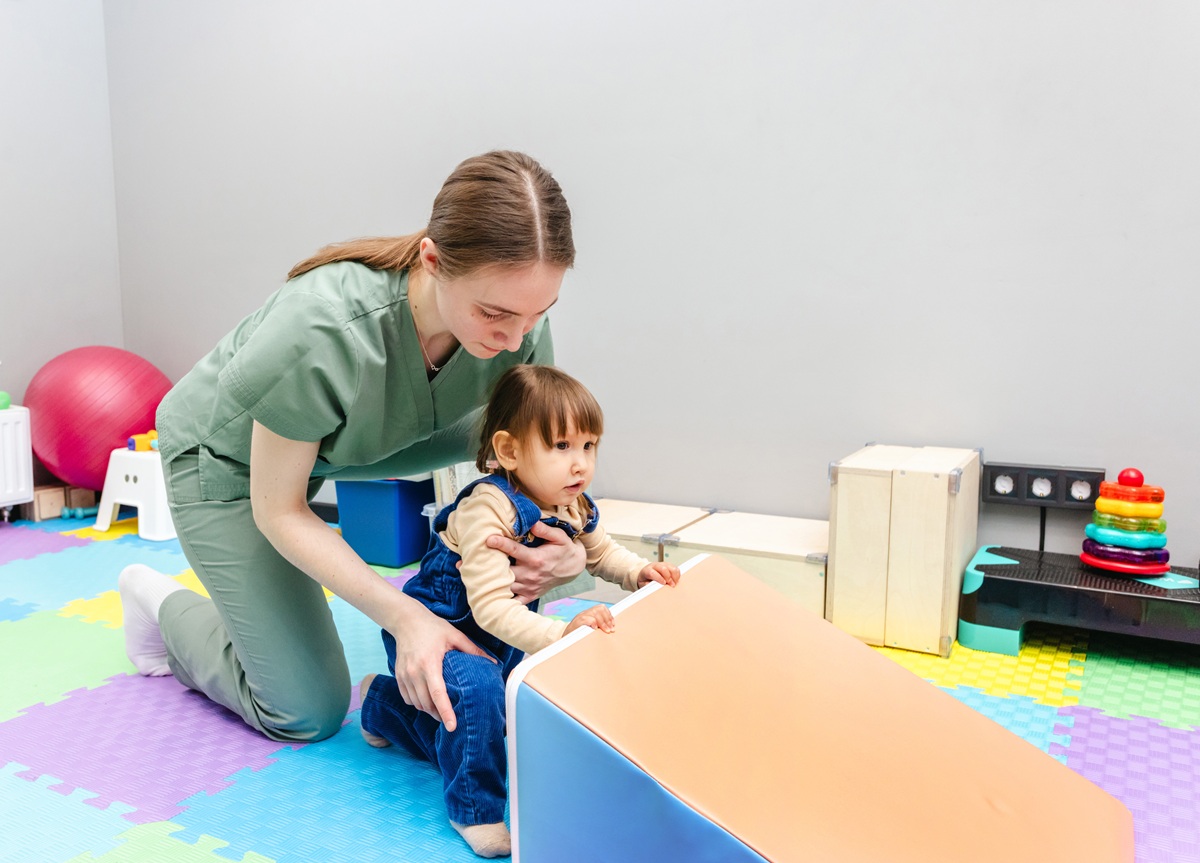
Pediatric medical daycare provides support through physical, occupational, and speech therapy. They integrate these therapies into a child’s daily routine. The skilled nurses and therapists collaborate to create a customized plan based on the child’s medical needs. This allows a child to receive comprehensive care under a single roof without attending multiple outpatient appointments. It further helps the child reach crucial developmental milestones.
2. Coordinated Complex Medical Management
Children with neurological disorders often have complex medical requirements or need constant monitoring. Medical Daycare provides skilled nursing services for children who need medication administration, seizure monitoring and response, feeding tube management, oxygen therapy, vital signs monitoring, and respiratory treatments. The presence of trained healthcare professionals minimizes the risk of a health emergency and ensures the child’s safety.
3. Comprehensive Care Coordination
Neurological disorders are often treated by various healthcare professionals, including specialists, pediatricians, therapists, nutritionists, and neurologists. Pediatric medical daycare facilitates communication among these professionals. Staff constantly monitor the child’s condition and adjust the care plan as needed. They also share important information with families and healthcare professionals. This ensures that the care plan aligns with the child’s goals and objectives, minimizing confusion.
4. Specialized Developmental, Educational, and Socialization Programs
Children with neurological disorders need opportunities to learn, play, and interact with others in a supportive setting. Pediatric medical day care offers structured education with activities that promote cognitive development, language and communication skills, fine and gross motor skills, social interaction, and emotional growth. Daycare designs activities based on individual abilities to help children gain confidence. Children also have opportunities to connect with their peers and build social skills impossible to develop in isolation. These programs foster readiness for school and promote children’s independence in everyday activities.
5. Respite & Support for Carers
Being a caregiver of a child with a neurological disorder can be physically and emotionally demanding. No matter how much you love your child, it’s normal to feel exhausted sometimes. As a parent, you have to constantly coordinate medical visits, therapies, medications, and routine care while also caring for other family members. A medical daycare provides expert care for its children during the day. This allows parents to breathe, recharge, and remember that to take care of their child, they must take care of themselves, too.
PediaTrust LLC – Expert Pediatric Neurological Support for Children
If you are searching for a medical daycare for your child dealing with a neurological condition, partner with PediaTrust LLC. Our on-site skilled nurses are experts in managing daily symptoms and complex needs related to your child’s medical condition. Whether your child needs physical therapy to improve mobility and motor skills, occupational therapy for sensory processing, or speech therapy to enhance communication, our caregivers are experienced in monitoring chronic neurological, medical, and developmental conditions. Explore our specialized day care and enroll your child for the comprehensive care and support they need.

